Engineered for the rigorous safety and performance standards of both Civil and Military aerospace environments, FlameSpec™ detectors redefine performance through superior technology and reliability.
Aerospace
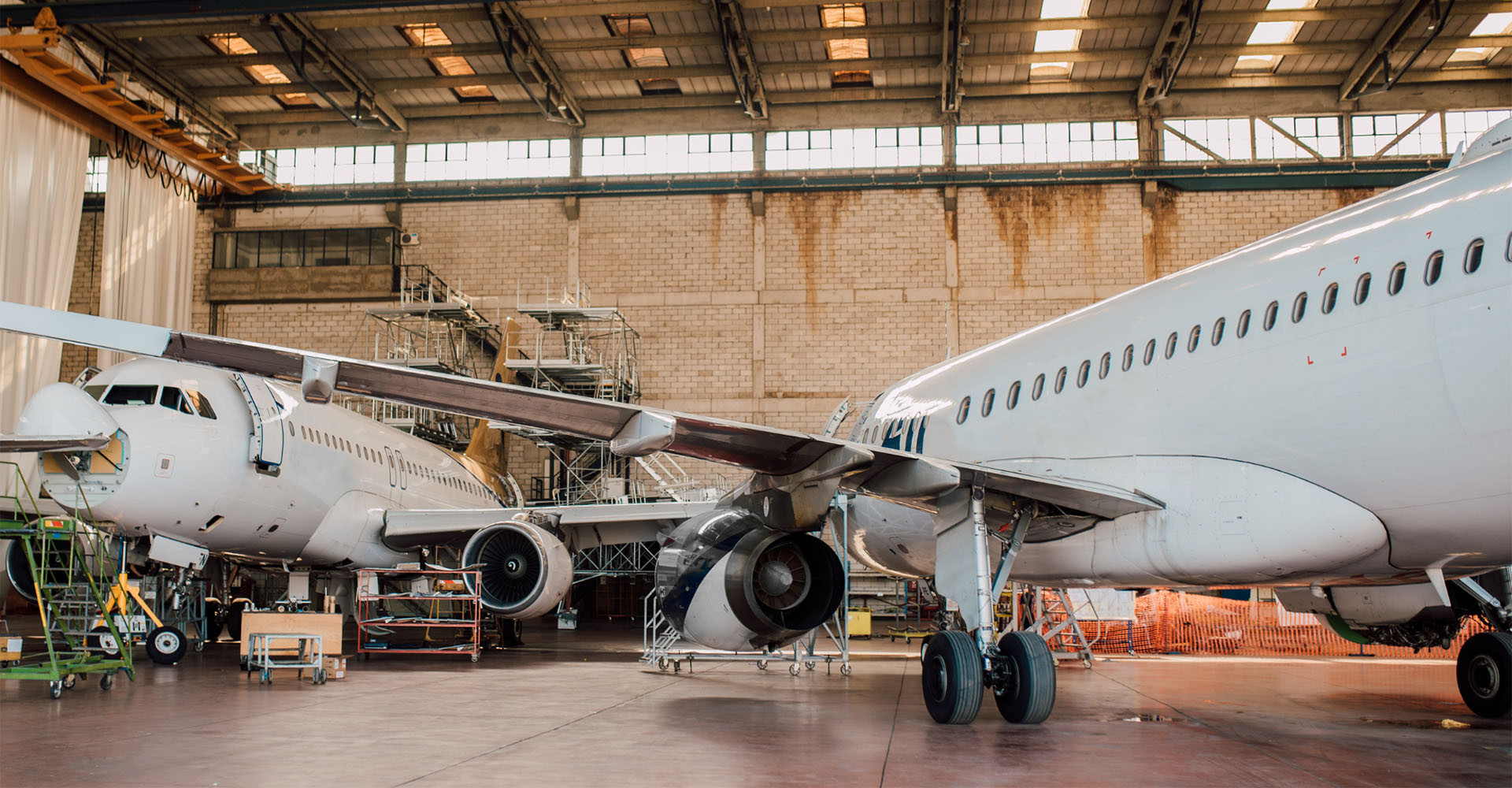
Aircraft Hangars and Fueling Areas
Aircraft hangars and fueling zones present unique fire risks during maintenance, inspection, and storage.
The primary challenge for flame detection is providing comprehensive coverage — both above and below the wings — while maintaining ultra-fast response times.
In these environments, reliability is non-negotiable. Systems must be immune to false alarms, as accidental suppression releases can result in hundreds of thousands of dollars in airframe damage and significant risks to personnel.
Recommended Products
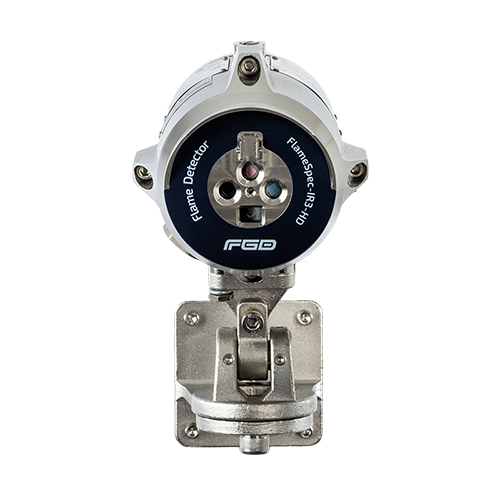
 IR3-CO2L-HD
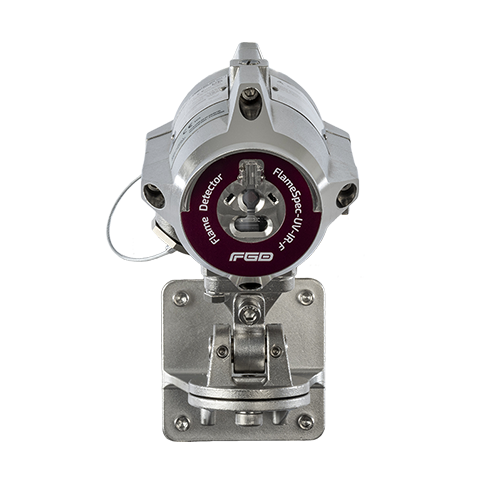
UV-IR-F
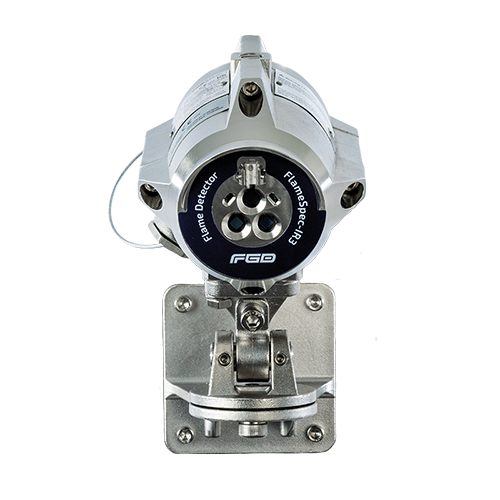
IR3-CO2L
IR3-HD
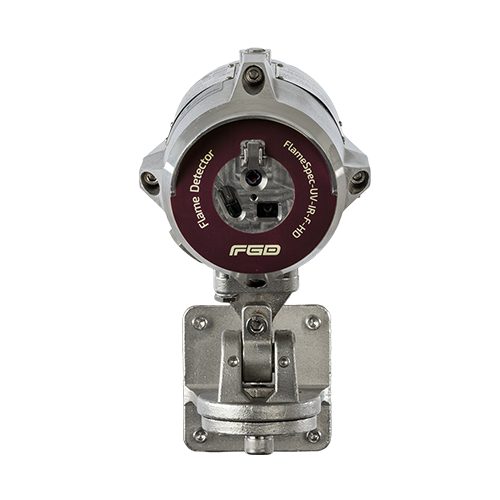
UV-IR-F-HD
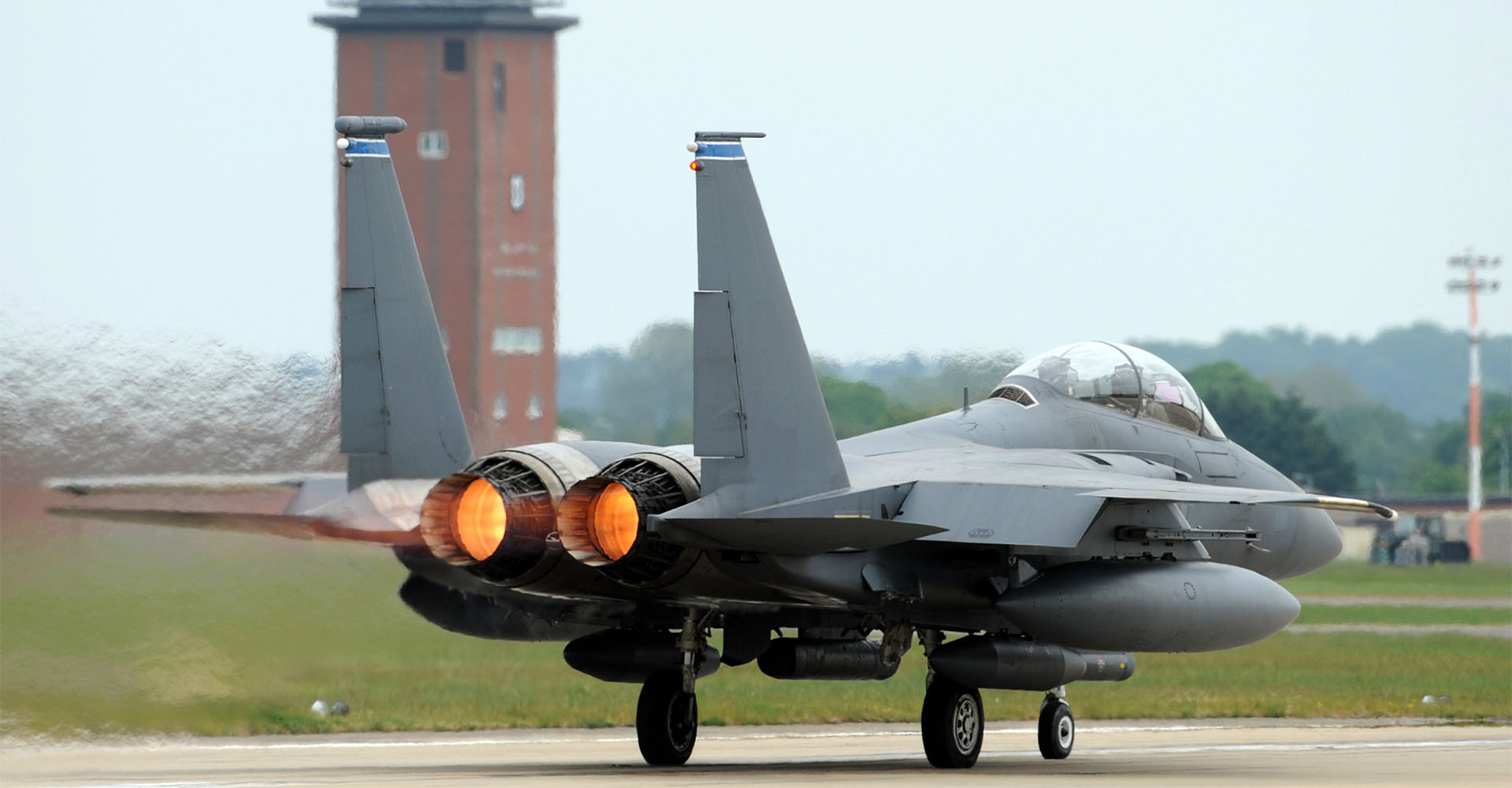
High-Value Asset Coverage
Precision Detection for High-Value Aerospace Assets
Maintenance and refueling zones are complex environments where safety cannot be compromised. We address the unique challenges of the hangar:
-
The Risk: Low-frequency but high-consequence fire events fueled by hydrocarbons.
-
The Interference: Constant "noise" from diesel vehicles, engine exhaust, and maintenance work (welding/sanding).
-
The Solution: Advanced spectral analysis that distinguishes between a fire and a false alarm, protecting your airframes from both fire and accidental foam damage.
Application Challenges
Cover a large area with reliable flame detection and no false alarms
- Large area coverage
- Detection both above and below the wings
- Highest possible false alarm rejection capability
- Correct mapping of detector coverage to fire zones
- Access to the detectors for maintenance
- Detectors must be self-testing to ensure reliability
Detection Strategy & Zone Types
Detection strategy based on detection and fire zone coverage both above and below the wings and body of the aircraft.
Different areas of aircraft facilities require tailored detection strategies:
Maintenance & Storage Hangars
Utilize IR3-CO2L flame detector with integrated video camera for high-speed detection and maximum false alarm rejection. The Hangars require large area coverage that can be matched to suppression zones. With five sensitivity settings and the unique FlameView accessory, the FlameSpec™ range of detectors can be set to provide large-area coverage that meets the requirements for suppression.
Fueling Areas
Depending on the operation different fuel types may be used where the detection ranges can vary. It is critical that flame detectors are selected based on their ability to provide coverage regardless of fuel or risk. Third-party testing according to FM 3260 confirms FGD detectors' ability not only to detect but gives the fire size and detection range in feet and meters.
Hardened Aircraft Shelters
Operational areas where exhaust from jet engines is a regular false alarm risk. FGD® FlameSpec™ CO2L detectors have been rigorously tested in real environments for their ability to operate continuously even when exposed to military aircraft jets entering, shutting down, and starting up in Hardened Aircraft Shelters (HAS).
Key Certifications
The FlameSpec™ range is rigorously tested and certified to meet global safety, performance, and reliability standards.
Its comprehensive range of certifications ensures compliance with international regulations for hazardous environments, making it a trusted solution for high-stakes applications. From explosion-proof approvals to functional safety and ingress protection, these certifications validate the detector's ability to perform under the most demanding industrial conditions.
-
ATEX / IECEx Zone 1 and 2 certified, cFMu Class 1 Div 1
-
FM3260 and EN54-10, performance approval
-
NFPA 409 Annex C